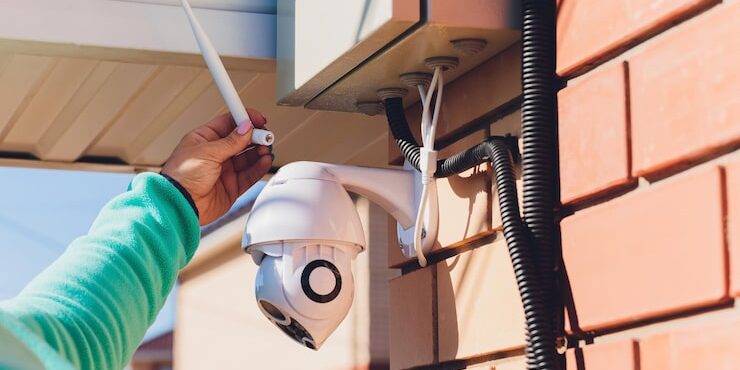
Most businesses do not start shopping for cameras because they are excited about cameras.
Usually, something happens first.
Maybe a package goes missing. Maybe there is confusion about who came in after hours. Maybe the owner is tired of guessing what happened at the loading dock, front entrance, or stock room. Sometimes it is not even a major incident. It is just that quiet feeling that the business has grown, the space has changed, and there is not enough visibility anymore.
That is when security camera installation chicago becomes a serious conversation.
The problem is, a lot of businesses jump in too fast. They start comparing camera models, looking at prices, or asking how many cameras they need before they have even figured out what they are trying to solve. That is where people waste money. A camera system can be a very smart investment, but only when it is built around the real layout, the real workflow, and the real concerns inside the business.
Start With the Reason You Want Cameras
This sounds simple, but it matters more than people think.
Some businesses want cameras for loss prevention. Others care more about employee safety. Some want better visibility around entrances, hallways, parking areas, or shipping zones. Others want a way to review incidents after the fact instead of relying on memory and mixed stories.
Those are different goals.
That is why security camera installation chicago should begin with a conversation about what is actually happening inside the space. A retail store does not use cameras the same way a law office does. A warehouse has different blind spots than a medical office. Even two offices of similar size can need very different coverage depending on traffic flow, access points, and daily routines.
If that part gets skipped, businesses often end up with cameras in the wrong places and gaps where they matter most.
More Cameras Does Not Always Mean Better Coverage
This is one of the biggest mistakes people make.
They assume a better system simply means adding more cameras.
Sometimes that helps. Sometimes it just adds clutter, extra cost, and more footage no one wants to sort through later. Good camera planning is less about quantity and more about placement. You want coverage that answers real questions. Who entered? Who exited? What happened at the register? What went on near the back door? Was the delivery actually dropped off? Did someone access an area they should not have entered?
That is where commercial security cameras chicago becomes more than a product category. It becomes a planning issue. If the system is not designed around the way your business actually runs, it is easy to overspend and still miss the moments that matter most.
Your Building Layout Matters More Than the Camera Brand
A lot of buyers focus first on the brand name or the camera specs.
Those things matter, of course, but they are not the whole story.
The layout of the space has a huge effect on what kind of system makes sense. Ceiling height matters. Entry and exit flow matters. Lighting matters. Hallway angles matter. A warehouse with shelving creates different visibility challenges than an open office. A customer-facing storefront has different priorities than a private back-office environment.
That is why security camera installation chicago should be planned around the space, not just around a shopping list. A system that looks impressive on paper can still leave you with weak angles, poor placement, and footage that is not actually useful when something happens.
This is also where thoughtful network design makes a difference. When the camera layout is considered alongside the building and infrastructure, the system tends to feel a lot more intentional and a lot less patched together.
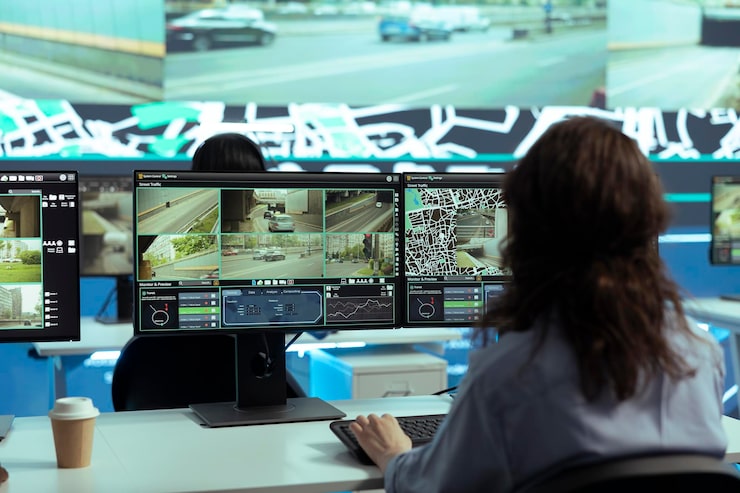
Cameras Are Only One Part of the Setup
Businesses sometimes think installing cameras is just about mounting devices on walls and ceilings.
In reality, there is a lot going on underneath.
The system needs stable connectivity. It needs proper power. It needs a clean installation. It needs a layout that makes sense for the business today and still makes sense if the company grows or changes the space later. That is one reason security camera installation chicago should never feel like a last-minute add-on.
A camera system depends on infrastructure more than many people realize. If the installation is rushed, the whole setup can feel harder to manage later. Wires end up messy. Expansion becomes annoying. Troubleshooting takes longer than it should.
That is why it makes sense to tie camera planning into broader installation services. A clean install is not just about appearance. It is about reliability, serviceability, and making future changes less painful.
Think About What You Will Need to Review Later
Here is a question businesses often forget to ask before they install cameras.
If something happens, will the footage actually help?
That depends on a lot more than whether the cameras are turned on. You need useful angles. You need enough visibility in the right areas. You need a setup that captures what matters instead of giving you a wall of footage with very little clarity.
This is where business surveillance systems can either be genuinely helpful or quietly disappointing. A poor setup may look fine during installation day, but later it leaves the owner trying to figure out what happened from a bad angle or a missed corner. By that point, it is too late to fix the planning.
A better approach is to think backward. If there were a problem tomorrow, where would you wish you had visibility? Front door? Storage area? Office hallway? Loading zone? Employee-only entrance? Those answers usually tell you far more than a product brochure ever will.
Different Businesses Need Different Coverage
One reason camera planning gets messy is because people copy what they saw somewhere else.
But businesses do not all face the same risks or priorities.
An office may care about entrances, reception areas, shared spaces, and after-hours access. A retail location may care about registers, aisles, doors, and inventory areas. A warehouse may be more focused on dock doors, open floor visibility, and perimeter points. That is why security camera installation chicago should feel specific to the business, not generic.
For office environments especially, it helps to think of cameras as part of a broader operational setup. Chicago Network Solutions already positions its office solutions around security, connectivity, communication, and infrastructure, which makes the camera conversation easier to fit into the bigger picture. Office technology solutions should support the way people actually work every day, not just react after something goes wrong.
Do Not Wait Until There Is a Bigger Problem
A lot of owners delay camera installation because there has not been a major issue yet.
That makes sense on a human level. No one likes spending money on something they hope they never really need.
But the truth is, camera systems are usually most useful when they are installed before the stressful moment arrives. Once there is a dispute, missing property, suspicious activity, or an employee safety concern, the question changes from “Should we do this?” to “Why didn’t we do this sooner?”
That is part of why cctv installation chicago continues to matter for growing businesses. It is not always about expecting the worst. Sometimes it is simply about reducing uncertainty. Owners want clearer visibility, more confidence, and fewer unanswered questions when something unusual comes up.
Cheap Shortcuts Usually Feel Expensive Later
This is another pattern that shows up often.
A business tries to save money by piecing together a small system without enough planning. Maybe a few cameras get added in a rush. Maybe the layout is based on convenience rather than actual coverage. Maybe the installation works for now, but not in a way that feels easy to manage later.
That is when regret starts creeping in.
A camera system should feel like it solved a problem, not like it created a new list of small annoyances. That is why security camera installation chicago is worth doing carefully the first time. A clean, well-thought-out system usually costs less in frustration than a rushed one that needs to be redone, expanded awkwardly, or constantly adjusted.
The same thing happens in office settings where security needs to work alongside existing network gear, phones, and wireless access. If the setup is planned well, it blends in and supports the business quietly. If not, it becomes one more thing the team has to work around. That is why many businesses also consider security camera solutions as part of a broader low-voltage strategy instead of treating them like a standalone purchase.
Final Thoughts
Installing cameras is not really about buying cameras.
It is about visibility. It is about reducing guesswork. It is about protecting the space, the people inside it, and the day-to-day operation of the business. When it is planned properly, the system gives owners more confidence and fewer blind spots.
That is why security camera installation chicago should start with the business itself, not just the equipment. The best results usually come from asking the right questions early, thinking through the layout honestly, and building a system that fits the way the space actually functions.
For businesses that want a setup they can trust, security camera installation chicago works best when it is approached as a real business decision, not just a quick tech upgrade.