A weak office security setup rarely fails all at once. Problems usually start with a blind spot at an entrance, poor visitor control, a door that stays too open, or limited visibility after hours. By the time a business reacts, the gap has often been there for longer than anyone realized.
That is why it is so important to understand which security features an office building truly needs. Business owners, office managers, property managers, and facility teams need more than a few devices on the wall. They need the right features to protect staff, manage access, reduce risk, and keep the building easier to control every day.
7 Must-Have Security Features for Office Buildings: Quick Answer
The 7 Must-Have Security Features for Office Buildings usually include surveillance cameras, access control, alarm systems, intercoms, remote monitoring, entry-point protection, and after-hours coverage. Together, these features help businesses control who enters, improve visibility across the property, and support a faster response when something goes wrong.
As we often explain to clients, the most effective office security features usually start with a few core essentials:
Office buildings should have core security features such as high-definition security cameras, secure entry points, motion detection, remote access, and reliable video storage. Depending on the property, businesses may also need door access control, visitor tracking, and after-hours alerts. These features work together to improve safety and help management respond quickly to issues.
The right mix depends on how the office building is used. A small office may need a simple but focused setup, while a larger or multi-tenant building may need layered entry control, broader camera coverage, and stronger after-hours oversight.
Why Office Buildings Need the Right Security Features
Office buildings face a mix of security challenges that basic locks and casual oversight cannot handle well. There may be multiple entrances, shared areas, reception traffic, restricted rooms, deliveries, and after-hours access by staff or contractors. Each one creates a point where the building can become harder to manage.
The right security features reduce that exposure by adding structure where it matters most. Instead of relying on assumptions, businesses can verify activity, restrict access, review incidents, and respond with more confidence. That shift improves both protection and day-to-day control.
Office buildings have more moving parts than many businesses expect
A single office suite may seem simple at first, but most commercial spaces involve more than a front door and a reception desk. Side entrances, parking access, shared hallways, internal rooms, and service areas all affect how secure the property really is.
That is why office security should be planned around the building itself. A good setup reflects how people enter, where they move, and which areas need stronger control. Without that approach, even a modern-looking system can leave major gaps behind.
The best features support both safety and operations
Strong office security features do more than help during emergencies. They also improve routine management. Visitor entry becomes easier to control. Staff access becomes more organized. Building activity becomes easier to review when questions come up.
That is one reason better security often improves workplace confidence as well. When the building feels structured and well managed, both staff and visitors notice the difference.
The 7 Must-Have Security Features for Office Buildings
Most office buildings do not need every possible security tool, but they do need the right core features. The strongest office security systems usually include a practical mix of visibility, entry control, threat detection, and communication.
For most businesses, these 7 must-have security features for office buildings cover the essentials. Each one solves a different problem, and together they create a more complete security posture.
1. Surveillance Cameras
Surveillance cameras are one of the most visible and most important security features for office buildings. They help businesses monitor entrances, hallways, reception areas, shared spaces, parking zones, and other key points. Cameras improve visibility and reduce the number of areas where incidents can happen unnoticed.
They also help with review after an event. A recorded timeline can clarify what happened, who entered, and whether a problem started inside or outside the building. This is why many businesses begin with security camera installation in Chicago when they first upgrade office security.
2. Access Control Systems
Access control is one of the most valuable features an office building can have. Instead of relying only on physical keys, businesses can manage access with cards, fobs, codes, or mobile credentials. That makes it easier to decide who can enter, where they can go, and when they can access certain areas.
This is especially useful in offices with staff-only rooms, storage areas, server rooms, or shared entrances. Better access control systems in Chicago help reduce unauthorized access while improving long-term building management.
3. Alarm Systems
Alarm systems add another critical layer because they do more than record events. They help detect forced entry, suspicious movement, or unauthorized access during vulnerable times. In many office buildings, that makes them essential for after-hours protection.
A well-planned alarm setup may include door contacts, motion sensors, glass-break detection, and panic buttons. These features help the building respond more quickly when a problem begins instead of relying only on later review.
4. Intercom Systems
Intercoms help control visitor access before someone enters the building or office suite. That matters more than many businesses realize, especially in shared or multi-tenant properties where front-door verification affects the whole flow of the site.
For offices that receive guests, vendors, or delivery drivers throughout the day, commercial intercom systems in Chicago can reduce interruptions and improve control. Instead of opening doors first and asking questions later, staff can verify who is there and decide how to respond.
5. Remote Monitoring Tools
Remote monitoring gives managers visibility even when they are not on site. This feature may include live camera access, alert notifications, remote system checks, and mobile management of certain access or security functions.
That flexibility matters for after-hours response, lean management teams, and businesses that operate across more than one location. It helps office decision-makers stay informed without depending on physical presence every time something needs attention.
6. Secure Entry Points and Visitor Access Control
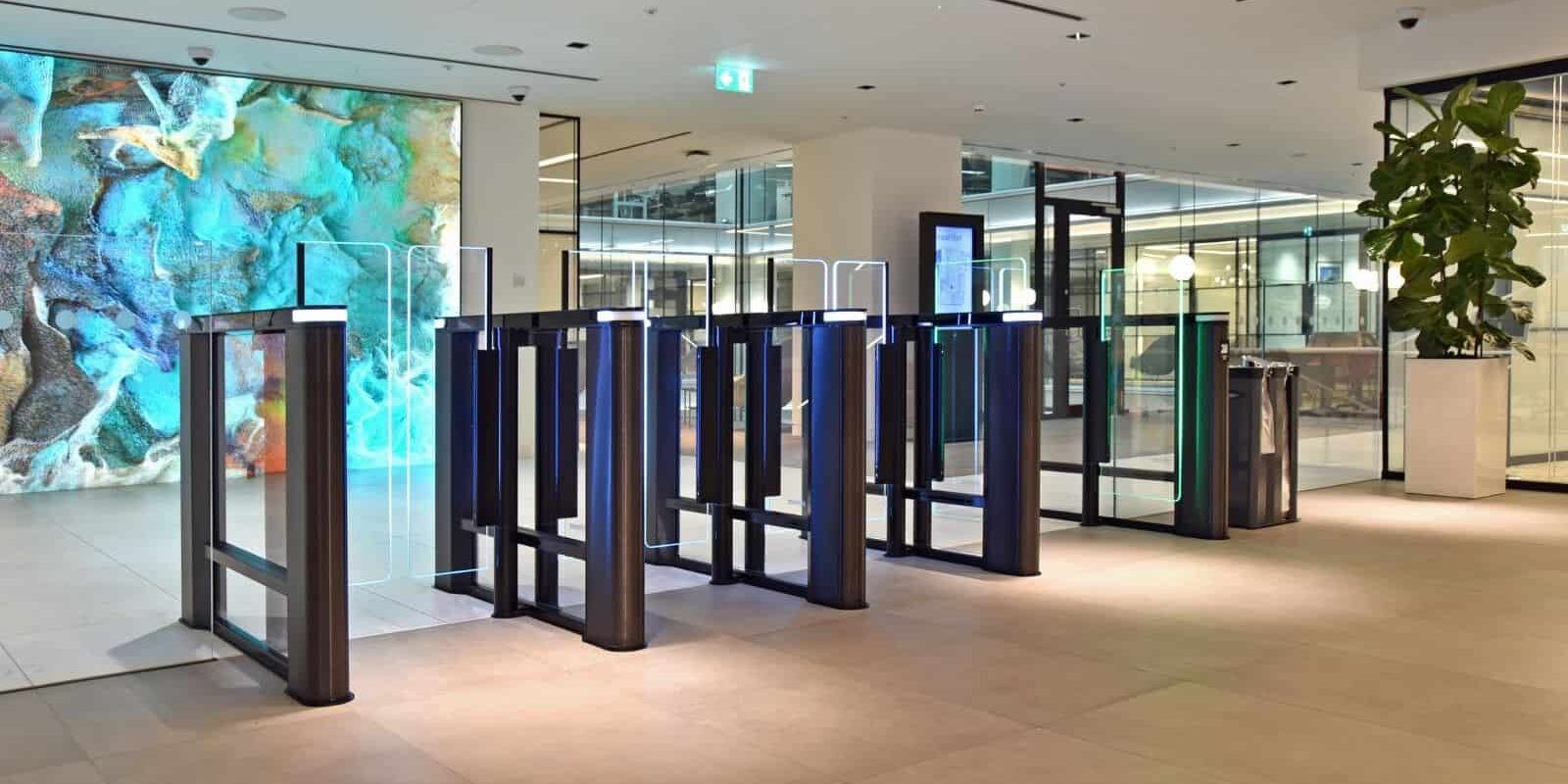
Entry points are often where office security succeeds or fails first. A building may look secure overall, but if entrances are poorly managed, the rest of the system has to work much harder. Front doors, side entrances, rear doors, parking access, and shared building entries all deserve serious attention.
The best entry-point security combines visibility and control. It should help the office verify who is arriving, document what happens at the door, and limit access to only the people who belong there.
7. Motion Detection, Remote Access, and After-Hours Alerts
Security needs change when fewer people are in the building. A property that feels controlled during business hours can feel much more vulnerable at night, on weekends, or during holiday closures. This is where after-hours features become especially important.
The best after-hours protection comes from a layered setup. Cameras provide visibility, alarms detect problems, and remote tools help managers respond without delay. Together, these features make the building less dependent on luck.
Quick Comparison of the 7 Must-Have Security Features for Office Buildings
Here is a simple way to compare the main features and where each one adds the most value.
| Security Feature | Main Purpose | Best Use in an Office Building |
| Surveillance Cameras | Monitor activity and record events | Entrances, hallways, common areas, parking lots |
| Access Control Systems | Restrict and track entry | Staff-only rooms, offices, shared buildings, server rooms |
| Alarm Systems | Detect forced entry or suspicious activity | After-hours protection, perimeter doors, sensitive zones |
| Intercom Systems | Verify visitors before entry | Front doors, suite entrances, gated access, delivery points |
| Remote Monitoring Tools | Give off-site visibility and control | Multi-site businesses, after-hours management, mobile oversight |
| Entry-Point Protection | Strengthen vulnerable access areas | Main doors, side doors, rear entries, shared access zones |
| After-Hours Security Coverage | Improve protection when the site is quiet | Nights, weekends, holiday closures, lightly occupied periods |
How to Choose the Right Security Features for an Office Building
Not every office building needs the same features in the same way. The right setup depends on building layout, number of access points, staff movement, visitor traffic, sensitive areas, and after-hours activity. A small office may need a compact but well-planned system, while a larger site may need broader layers of control.
The best approach is to start with the building itself. Look at how people enter, where they move, what rooms need restriction, and what parts of the site become vulnerable after hours. That review helps separate truly essential features from nice-to-have extras.
Start with the layout and traffic flow
Office security should reflect how the space actually works. Reception patterns, shared entries, parking access, interior corridors, and restricted rooms all shape what features matter most. A system that ignores traffic flow usually creates weak points.
For many Chicago office buildings, older layouts and shared access areas make this planning even more important. The more complex the layout, the more useful it becomes to plan cameras, door controls, and visitor verification together.
Think in layers, not in single devices
A camera alone does not manage access. A lock alone does not show what happened. An intercom alone does not protect after hours. Office buildings need the right combination of tools so one feature supports the next.
That is why the strongest commercial security systems in Chicago usually work as a coordinated set rather than as isolated parts. Good security comes from layers that fit the building, not from one device doing all the work.
Common Mistakes Businesses Make When Choosing Office Security Features
One common mistake is choosing devices before understanding the building. Another is focusing too heavily on visible hardware while ignoring entry control, blind spots, or after-hours security. These mistakes often lead to a setup that looks complete but performs poorly where it matters most.
The goal should never be to add the most equipment. It should be to install the right features in the right places. That takes planning, not guesswork.
Overlooking visitor verification
Some businesses spend on cameras and alarms but forget how visitors actually enter the site. That creates a gap at one of the most active points in the building.
Visitor verification is especially important in offices that share access, receive frequent deliveries, or welcome outside guests throughout the day. Intercoms and controlled entry can solve much of that problem.
Ignoring future growth
A system that works for ten employees may not work for thirty. More staff, more rooms, more access needs, and more building activity can expose the limits of a small or disconnected setup.
That is why scalable planning matters. Security features should fit the office today while also leaving room for the business to grow.
A Simple Example of the Right Office Security Features
A small office may need a front-door camera, one rear access camera, basic alarm coverage, an intercom for visitor verification, and controlled access on one or two internal doors. That setup is often enough to improve visibility and access without overcomplicating the site.
A larger office building may need more layers. It may require camera coverage at several entrances, access control by department or suite, intercom verification at shared entry points, and stronger remote oversight after hours. The right features depend on the building, but the principle stays the same: choose tools based on real use, not assumptions.
A Quick Checklist of the 7 Must-Have Security Features for Office Buildings
The checklist below can help businesses think through the essentials before choosing a system:
- camera coverage at main and secondary entrances
- controlled access for staff-only or sensitive areas
- alarm protection for after-hours entry risks
- intercom or visitor verification at key entry points
- remote monitoring for alerts and visibility
- strong protection at main and secondary doors
- enough coverage to reduce major blind spots
FAQs
What are the 7 must-have security features for office buildings?
The most important features usually include surveillance cameras, access control, alarm systems, intercoms, remote monitoring, entry-point protection, and after-hours security coverage. These features help businesses improve visibility, limit unauthorized access, and respond more effectively when problems occur.
Why are access control systems important for office buildings?
Access control systems help businesses decide who can enter certain doors, rooms, or sections of the property. That makes it easier to protect staff-only areas, sensitive equipment, records, or shared spaces.
They also reduce long-term key problems by giving managers more flexible control over permissions and entry rules.
Do office buildings need both cameras and alarms?
Yes, in many cases they do. Cameras improve visibility and help review events, while alarms help detect problems as they happen, especially after hours.
These tools serve different purposes. They often work best together rather than as substitutes for one another.
Are intercom systems necessary for office buildings?
Intercom systems are very useful for office buildings that receive visitors, vendors, or deliveries through controlled entry points. They help verify who is there before access is granted.
That makes them especially valuable in shared buildings, multi-tenant spaces, and offices where front-door control affects the whole site.
What security features matter most after hours?
After hours, alarm coverage, camera visibility, and remote monitoring become especially important. These features help detect threats, confirm activity, and support faster response when fewer people are present.
A building that feels secure during business hours may still have major gaps at night if after-hours features are weak.
How do I know which security features my office building needs?
Start with the layout, number of entry points, visitor traffic, sensitive areas, and after-hours activity. These factors help determine which features are truly essential.
A proper site review is the best way to match the right security features to the actual building.
Can office security features be expanded later?
Yes, many systems can be expanded if they are planned well from the start. Businesses can often add more cameras, doors, credentials, or monitoring tools later.
That is why scalable design matters. It protects the value of the original setup and makes future upgrades easier.
What is the biggest mistake when choosing office security features?
One of the biggest mistakes is choosing equipment without first understanding the building and its risks. That often leads to poor placement, missed gaps, or features that do not solve the real problems.
Strong planning almost always matters more than buying more devices.
Need Better Office Security in Chicago?
Chicago Network Solutions helps businesses choose smarter security features based on real entry points, office layout, daily operations, and after-hours risk. Whether you need security camera installation in Chicago, access control systems in Chicago, or commercial intercom systems in Chicago, we can help you build a setup that fits your property. Call us at (312) 818-3517 or visit our Contact Us page to discuss your office building.
Conclusion
The 7 Must-Have Security Features for Office Buildings are the ones that improve visibility, control access, support faster response, and make the building easier to manage every day. Cameras, access control, alarms, intercoms, remote monitoring, entry-point protection, and after-hours coverage each play an important role when they are planned around the property.
A better office security setup is not about adding more hardware than you need. It is about choosing the right features for the way your building actually works. That approach gives your business stronger protection, better control, and more confidence over time.